Category: Letters to the editor
-
NE Link: Waste of money
When Infrastructure Victoria called the North East Link a “priority road project”, it was because its consultants gave the road a highly favourable initial assessment. The report last year by KPMG, Arup and Jacobs estimated the project (including the Eastern Freeway and M80 widening) would cost between $4.8 and $7.1 billion. The benefits were stated…
-
Remember Doncaster
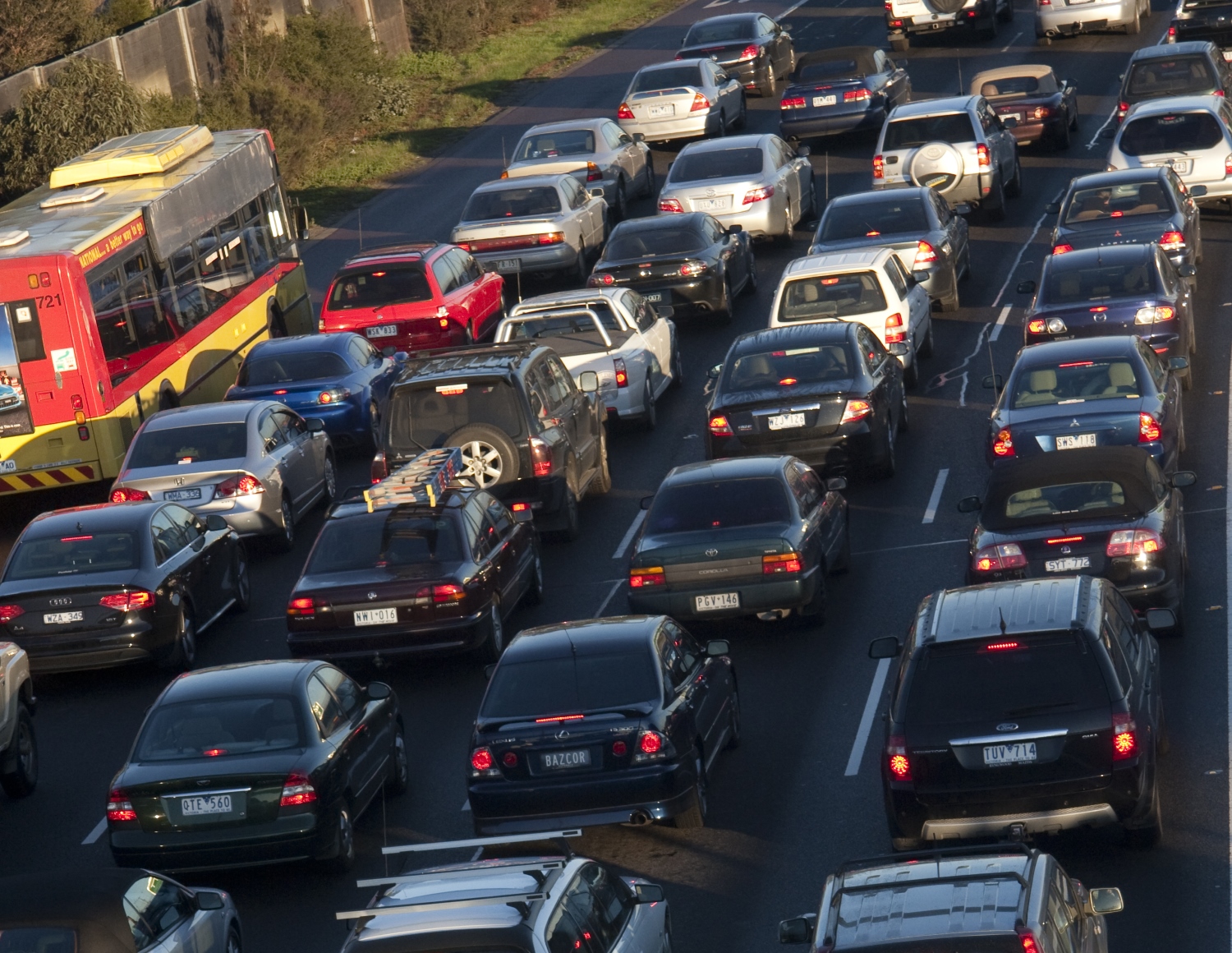
Northeast has the worst traffic? It should remind planners that the idea for trains to Doncaster Hill springs from a genuine need long recognised by the community.
-
Advice not so neutral
Infrastructure Australia began life as a disinterested adviser. Its board comprised independent experts, economists and planners alongside industry representatives and public-sector managers. But it has subtly morphed into a forum for big business interests to lobby governments from “inside the tent”. Lobbyists and privatisation advocates now dominate the board. Its latest report tries to breathe…
-
Deja vu on road plan
The budget appears set to transfer $1.5 billion of public funds from one big road with no political mandate or business case to another (“East West Link replacement likely …”, 11/5). If the government had any consideration for the Victorian public, this money would revert to its original 2013 purpose, helping fund the project that…
-
Road-building feeds the congestion monster
Liveable for how long? Not only is the federal government to give $1 billion towards building the western half of the East West Link without a shred of a business case (unless we count the Eddington Report’s 45¢ return in the dollar), Victorians are to be slugged with an extra year of tolls so that…
-
PM’s nonsensical logic
Does Tony Abbott really think Victorians will accept that black is white? That the best way to fund public transport expansion is to not fund it? More specifically, to pull all federal funding out of urban public transport on spurious ideological grounds and pour money into competing road projects instead (“Tony Abbott backs East West…
-
Follow the lead of world’s liveable cities
Finally, we have confirmation from Infrastructure Australia co-ordinator Michael Deegan of what the community had suspected. The Napthine government has assessed the benefit-cost ratio for its east-west link as just 80¢ in the dollar (The Age, 13/2), in the absence of fanciful “agglomeration benefits”. The wider benefits claimed are the kind that you get by…
-
This government was elected because it promised more
Why change parties? The Premier is desperate to redeem his government’s record on public transport. So desperate that he starts by citing the Regional Rail Link, an initiative of his Labor predecessors. It was a sad disappointment that the Coalition’s only original contribution to this project was an ineffectual review, which upped the budget but…
-
Premier not listening
CityLink was supposed to have solved congestion a decade ago. Before that, the extension of the Eastern Freeway to Donvale was supposed to reduce congestion in the eastern suburbs. We’ve had long enough to pronounce a verdict on the evidence. That new roads increase congestion, rather than relieving it, is contrary to naive intuition but…
-
Mandate for Doncaster rail – not the EW motorway
Build it means kill it When the state Coalition promised in 2010 of Doncaster rail that “we’ll study it, then plan it and build it”, it was not clear to the listener that what the Coalition really meant was “we will kill it off forever”. All the more reason why this $8 billion road plan…
-
Gridlock is to be our lot
It may have escaped our road-obsessed Premier’s attention but Friday’s horrific B-double crash occurred on exactly that part of CityLink that his east-west link road would connect to. With the link in place, that incident would have jammed east-west link traffic as well, just as Monash Freeway troubles jam up CityLink traffic today. The idea…
-
Motorways: Salami tactics
It almost defies reason that, with our train system virtually falling apart and car use per capita in decline, this government is hell-bent on committing public money to a road project with 50¢ of benefit for every $1 of costs (The Age: “Western end of project could win priority“, 3/5) When the Bolte Bridge was…